
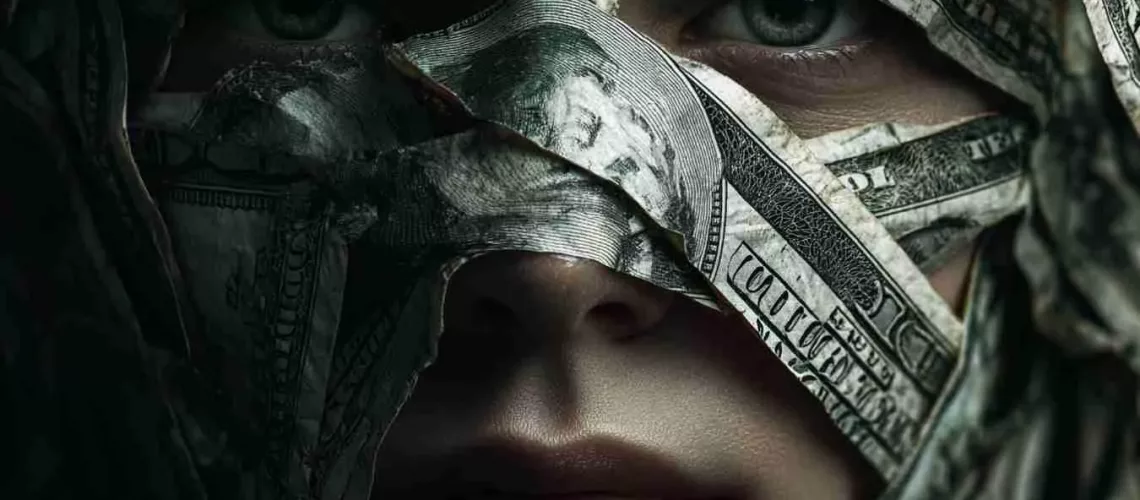

Bloodlines & Bank Accounts: Uncovering the Hidden Forces Behind Your Money Story
Let me ask you a question: When you think about money, where does your focus go? Not to your thoughts, but to your body. Do your shoulders tense up? Does your stomach twist in discomfort? Do you suddenly feel the urge to avoid, perhaps by making tea or diving into emails, just to sidestep the looming discomfort?
Be honest. When you hear the word “money,” does it feel like freedom and possibility, or does it send you spiralling into shame, even if you can’t quite pinpoint why?
Here’s the game-changing insight: What if that response isn’t even yours? What if the tightness in your stomach when you see a bill, the compulsion to either hoard or overspend, the fear of asking for what you deserve, what if that wasn’t born from your experiences or your lifetime?
Now, here’s the truth most money coaches won’t tell you: Money trauma isn’t just about mindset. It’s not just about limiting beliefs or some random Instagram post telling you to “manifest wealth.” It runs deeper than that. Much deeper.
The Hidden Legacy of Money Trauma
Money trauma is a silent inheritance passed down through generations. Just like emotional wounds, financial pain from your ancestors can manifest in your life in subtle, yet profound ways. It can show up as a deep-rooted fear of lack, a compulsion to overwork and never truly rest, or an internal push to hustle, achieve, and chase success without ever feeling like you’re enough.
In fact, your money beliefs may be linked to family patterns or cultural conditioning that you never even realized you inherited. If your ancestors lived through hardship, be it poverty, war, or economic collapse, the energy around money might still live in their bloodlines, and yours.
How Ancestral Money Wounds Show Up in Your Life
You may think the way you relate to money is purely shaped by your experiences, bad financial decisions, difficult relationships with money, or personal failures. However, consider this: what if these patterns have their roots in your ancestral stories, passed down without you even realising it?
Here are some subtle ways inherited money trauma might be showing up in your life:
Financial Anxiety: An overwhelming fear that there won’t be enough, no matter how hard you work. This could be passed down from generations who lived through financial scarcity, and even if you’re comfortable now, that fear of lack may still be present.
Money Blocks: Struggling to ask for what you’re worth, whether that’s charging for your services or negotiating your salary. It could be an echo from an ancestor who had to suppress their value for fear of being punished, rejected, or overlooked.
Burnout and Hustle: The constant feeling that you need to work harder, do more, and never stop. This could be the result of an ancestral survival pattern, working yourself into exhaustion, just to feel secure.
Avoidance and Procrastination: Feeling an urge to avoid dealing with your finances or even opening bills. This could be tied to emotional trauma related to financial instability, where avoidance was the only way to protect yourself.
Healing Your Money Story: Reclaiming Your Financial Power
The first step in healing money trauma is awareness. Realising that your financial patterns may not entirely be your own is the first breakthrough. From there, you can begin to rewrite your relationship with money and transform how you manage your finances.
Here’s how you can start:
Recognise the Inherited Patterns: Take time to reflect on your family’s history with money. What did your parents or grandparents experience in terms of financial hardship or abundance? Was money a source of security or stress in your family? By acknowledging these influences, you can begin to see how they may have shaped your own financial beliefs.
Reclaim Your Right to Abundance: Know that you are worthy of financial abundance, and it’s okay to ask for what you’re worth. Let go of any deep-rooted beliefs that you must earn your value through struggle, suffering, or scarcity. Rewriting this belief begins with self-compassion and self-worth.
Create New Financial Habits: Begin implementing habits that support a healthy relationship with money. Whether it’s tracking your spending, creating a budget, or simply starting to have honest conversations about money, these actions can help you feel more in control and empowered.
Somatic Healing for Financial Blocks: Just like emotional wounds, financial trauma can be stored in the body. Somatic practices like breathwork, movement, and body scans can help you release the tension stored around money. By working through these physical blockages, you create space for healthier financial habits to form.
Forgive Your Ancestral Story: This one can be tough, but forgiveness is crucial. Your ancestors did the best they could with the circumstances they were given. It’s time to release any anger or resentment you may be holding onto. They weren’t perfect, and neither are you, but by forgiving, you free yourself and transform the legacy you’re carrying.
The Healing Path Forward
Money trauma isn’t something that gets fixed overnight, but by acknowledging it, releasing it, and creating new patterns, you can break free from the inherited cycles that have held you back for far too long. Healing is about listening to your body, reclaiming your financial power, and embracing abundance in every form.